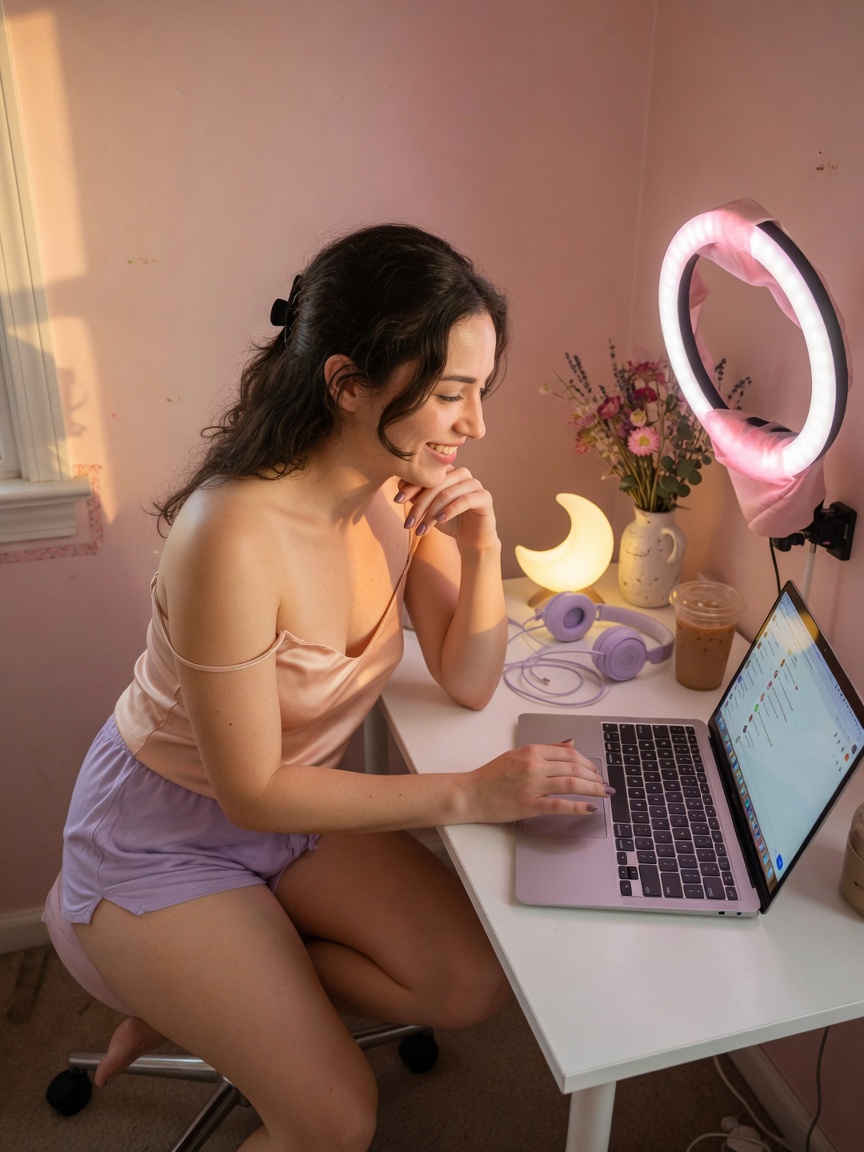
The live cam sector entered 2026 under intensifying scrutiny from labor advocates, regulators, and technology disruptors. A BBC investigation in June exposed abusive working conditions in Colombia's 12,000 webcam studios, where models often work 18-hour shifts for as little as $5 per session. Simultaneously, major platforms deployed AI-powered cam hosts that early data suggest have reduced human performer private-show revenue by 15–30% in affected tiers.
Age-verification mandates expanded across Europe, the UK, and 19 U.S. states, adding millions of daily compliance checks and conversion friction. Platforms responded by ramping up event-driven contests and gamified promotions to retain human performers. This recap synthesizes the five most significant verifiable developments from recent months, drawing on investigative journalism, market analysis, and platform announcements to map where the industry stands mid-year.
Top developments to watch
BBC Investigation Exposes Colombian Webcam Studio Labor Abuses
Performer rights
AI Cam Models Cut Human Performer Income by Double Digits
Tech
Age-Verification Mandates Expand Across EU, UK, 19 U.S. States
Regulation
Human Rights Watch Report Drives 2025–26 Regulatory Scrutiny
Performer rights
Platforms Intensify Event-Driven Contests to Retain Human Models
Platform
What These Trends Mean for Users and Performers
For users exploring live cam reviews directory options, 2026 brings both expanded choice and new friction. Age-verification mandates in 19 U.S. states and across Europe mean more platforms will require government-issued ID or biometric checks before access, a trade-off between regulatory compliance and user privacy. AI cam hosts offer lower per-minute costs and 24/7 availability, but early adopters report less authentic interaction compared to human performers. Users seeking genuine connection may gravitate toward best live cam chat sites that emphasize human models and transparent tipping structures.
Performers face a more precarious landscape. The BBC and Human Rights Watch investigations have spotlighted exploitative studio practices in Colombia, the world's largest cam hub, prompting calls for enforceable labor standards and revenue-split transparency. AI competition is already eroding income for mid-tier models, with private-show earnings down 15–30% in affected segments. Platforms are responding with event-driven contests and gamified promotions, but these tactics can incentivize unsustainable work hours. Models evaluating top private cam shows platforms should prioritize those offering clear payout terms, studio-audit transparency, and support for independent broadcasters.
The broader adult entertainment ecosystem is also adapting. Operators of gentlemen's clubs worldwide and erotic massage directory services report that age-verification and content-moderation rules are driving some users back toward in-person experiences. As digital platforms navigate AI disruption and regulatory expansion, the live cam sector's trajectory will hinge on whether it can balance technological efficiency with performer welfare and user trust.
Live cam industry FAQs
How are AI cam models affecting human performer income in 2026?
Early data from LiveJasmin and CamSoda AI rollouts show mid-tier human performers experienced private-show earnings declines of 15–30%, with average tips per user down 22% over six months on major cam sites. AI hosts cost platforms about $0.03 per hour versus $20–$90 per minute for human models, creating significant pricing pressure.
Which countries or states now require age verification for live cam sites?
As of mid-2026, robust age-verification mandates cover the United Kingdom, multiple EU member states including Denmark, France, Greece, Italy, and Spain, and 19 U.S. states. Ofcom in the UK and the European Commission's Digital Services Act pilot programs have set compliance timelines forcing platforms to implement ID or biometric checks.
What did the BBC investigation reveal about Colombian webcam studios?
The June 2026 BBC report documented studios recruiting schoolgirls, imposing shifts up to 18 hours without breaks, and paying as little as $5 per session. Fenalweb estimates Colombia has 400,000 models and 12,000 studios. Revenue splits often leave performers with only 20–30% of viewer payments after platform and studio cuts.
Are live cam platforms doing anything to retain human performers?
Platforms have ramped up event-driven contests, seasonal leaderboards, and promotional bonuses to keep human models engaged. These campaigns reward top earners during specific events, but industry observers note they can push performers toward longer hours and more aggressive audience-building strategies to remain competitive.
How do age-verification rules affect user experience on cam sites?
New mandates require government-issued ID or biometric checks before access, adding friction to onboarding. Market analysis indicates these rules reduce conversion rates as some users abandon registration mid-process, though they aim to prevent underage access and improve platform accountability for content moderation.
What should performers look for when choosing a live cam platform in 2026?
Performers should prioritize platforms offering transparent payout terms, clear revenue-split disclosures, studio-audit transparency, and support for independent broadcasters. Given AI competition and labor-rights scrutiny, platforms that enforce minimum-wage standards and provide safe working conditions are increasingly important for long-term income stability.